'Low-density' shows up in almost every brochure these days. It sounds lovely, but what does it actually mean? Let's make it concrete, so you can tell a genuinely spacious community from a clever tagline.
How to measure it yourself
- Homes per acre. How many families share the land?
- Flats per floor. Two on a floor feels very different from eight.
- Towers and height. Fewer, shorter towers usually leave more open ground between them.
- Green area. How much of the plot is left as landscape, not built-up space?
What you get for the premium
- More privacy on your landing and in the lift lobby.
- Less queueing for lifts, parking and the clubhouse at peak times.
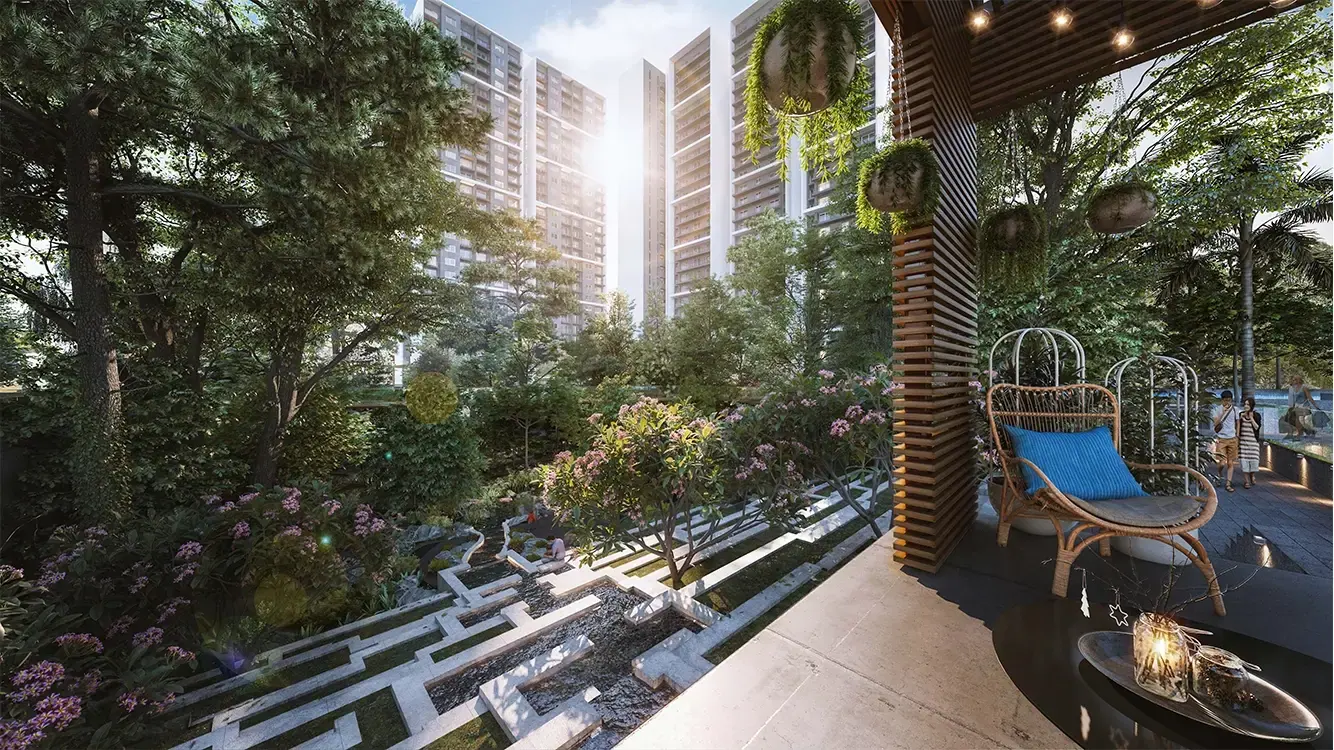
- More light, air and open views between towers.
- A quieter, more residential feel.
A real example
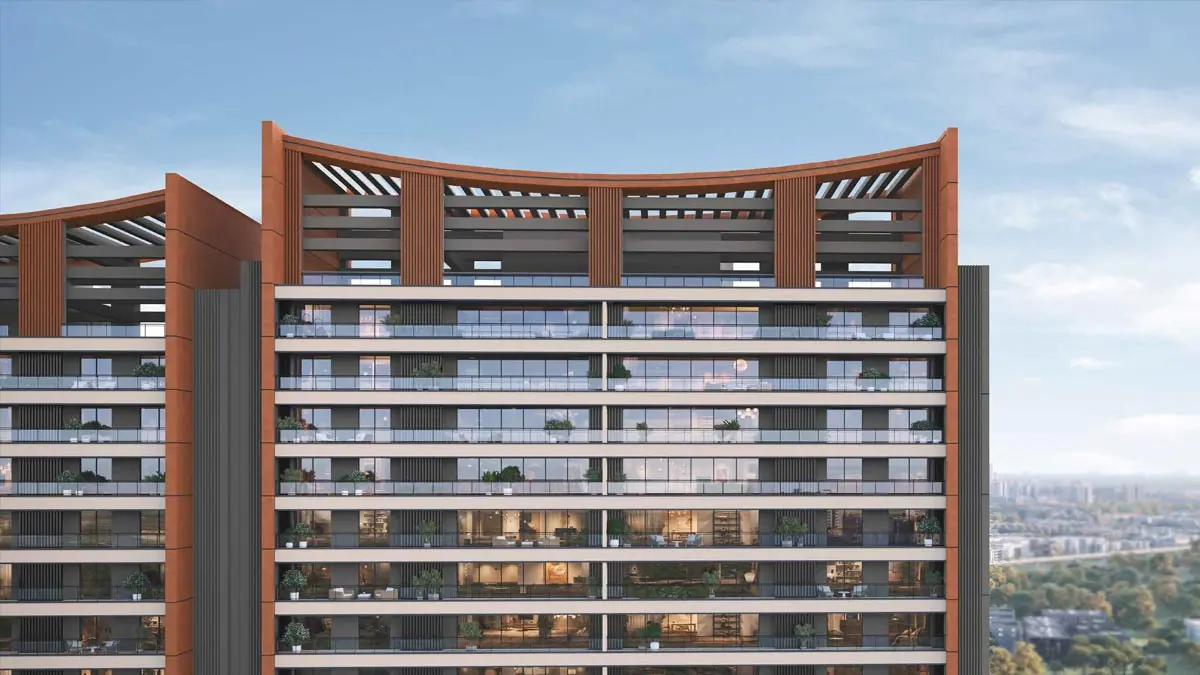
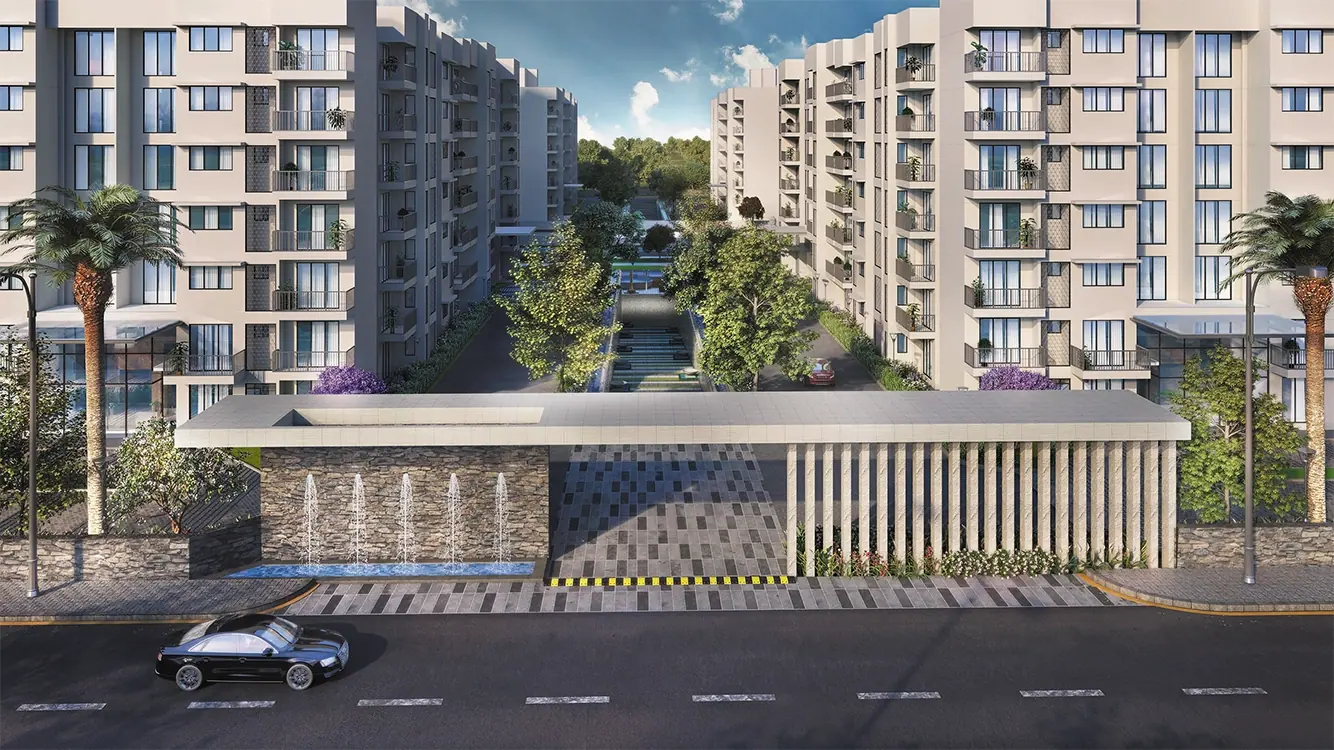
Godrej Sora in Sector 53, Gurgaon has 244 residences across four towers, with just two apartments sharing each floor. Godrej Palm Retreat in Noida takes a different route: resort-style low-rise residences built around leisure and comfort.
The trade-off
Fewer homes share the land cost, so the price per sq. ft. is usually higher. Whether that's worth it depends on how you live. If privacy and space matter to you every day, most buyers feel it is. If you're out all day and mostly want a base, you might not need to pay for it.
Low-density doesn't always mean low-rise
People often mix these up. A low-rise development has short buildings. A low-density one simply has fewer homes on the land. You can have tall towers with very few flats per floor and lots of open space around them, which is low-density, or short buildings packed close together, which isn't. Look at the numbers rather than the label.
Questions to ask the sales team
- How many homes are planned on this land, in total?
- How many flats share each floor and each lift?
- How much of the plot is open and landscaped?
- How are amenities planned for the number of residents?
Think about maintenance, too
Smaller communities share their running costs across fewer homes. That can nudge maintenance charges up. It isn't automatic, but it's worth asking about, so you know the real monthly cost of living there.
A small thought experiment
Picture the lift lobby at 9 am on a weekday. In a crowded tower, you might wait a few minutes and share the lift with a dozen neighbours. In a tower where two flats share each floor, you're likely to walk in and go. Now picture the weekend at the pool or the clubhouse. The same idea applies. Density shows up in small everyday moments, and those add up over years.
How it feels with kids and parents at home
More open ground usually means more room for children to play and for older family members to walk in peace. If you're buying for a family, that day-to-day comfort is often the part that buyers value most once they've moved in.
Quick Answers
Is low-density living worth the premium?
It depends on how much you value privacy and space day to day. Many buyers find it worth it. If you're out most of the day, you might not need to pay for it.
Does low-density help resale?
It can appeal to buyers who value space and privacy, but resale depends on many things, including location and the market. Don't treat it as a guarantee.
How can I check the density of a project?
Look at the site plan and RERA details for the number of towers and units, and ask how many flats share each floor.
This article is general information to help you plan, not legal, tax or investment advice. Images are artistic impressions. Prices, approvals and timelines change, so please confirm current details on the project's RERA page and with the sales team.